
Curriculum: Key Stage 3 (KS3)
Our KS3 curriculum reflects our progressive approach to inclusion, ensuring all students access a broad range curriculum, and experience the seven areas of learning, aligned to their age, ability, aptitude and any special educational needs they may have. Teachers skilfully scaffold and differentiate lessons to meet individual learning profiles, including ADHD, ASD, sensory or physical needs, gaps in prior education and emotional readiness to learn.
Small group teaching, personalised learning plans and targeted interventions ensures every student can access the curriculum and make meaningful progress. Teachers focus on securing core skills in communication, reading, writing and numeracy, providing the essential foundation for future learning and achievement, including academic, success, good health and wellbeing
Experiential learning, enrichment activities, and Forest School experiences complement classroom learning, building confidence, resilience and independence while preparing students for the next stage of their education.
KS3: Curriculum Overview
Foundational experience and progress within the Seven Areas of Learning

Academic pillar

Linguistic
Literacy, reading, and writing skills.
Timetabled as: Literacy

Mathematic
Skills related to numbers, counting, and understanding mathematical concepts.
Timetabled as: Numeracy

Scientific
Experience in scientific subjects and exploration.
Timetabled as: Science

Creative & Aesthetic
Activities that foster aesthetic appreciation and creative expression.
Timetabled as: Creative

Physical
Physical education and development.
Timetabled as: PE

Technological
Exposure to and experience with technology.
Timetabled as: ICT

Human & Social
Education related to human societies, social structures, and personal development.
Timetabled as: PSHE (Get RIPPED) including RSE; Global Understanding

Support Pillars

Form group time
Nurture, RUOK, Social emotional aspects of learning, Thrive, Votes for schools, Zones of regulation.
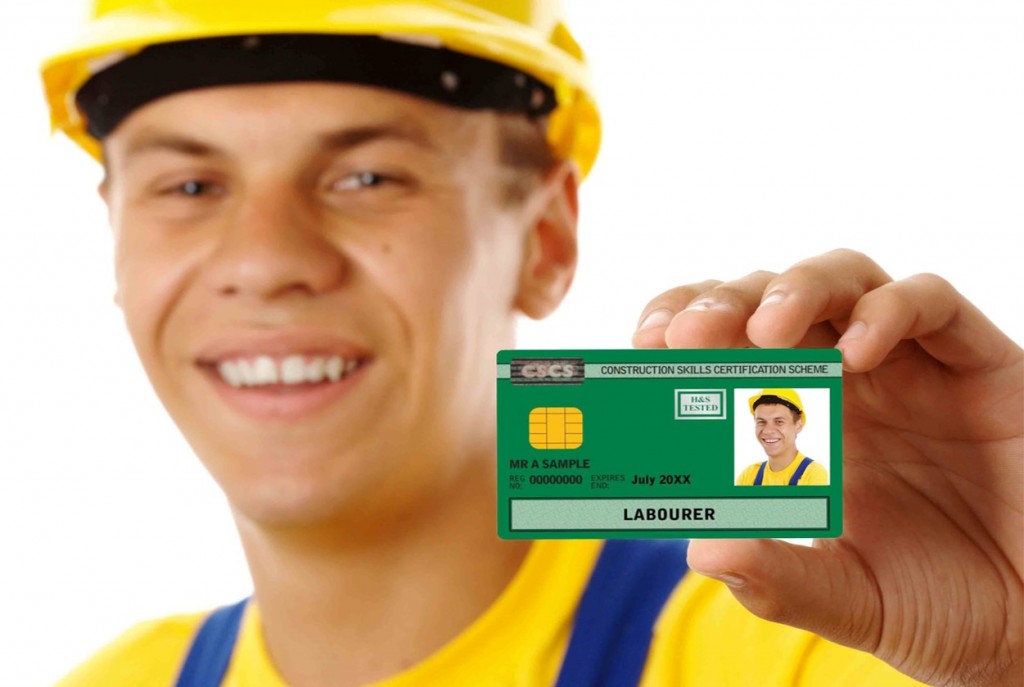
Personal development
EHCP targeted outcomes (Cognition and Learning, Communication and Interaction, SEMH, Sensory and Physical). Careers: Xello and Practitioners support.

Therapeutic support
EHCP targeted outcomes four areas of SEND. Thrive, sensory spaces and interventions. Wilderness Therapy, Art Therapy, Equine Therapy, Psychological support services. SALT and OT.
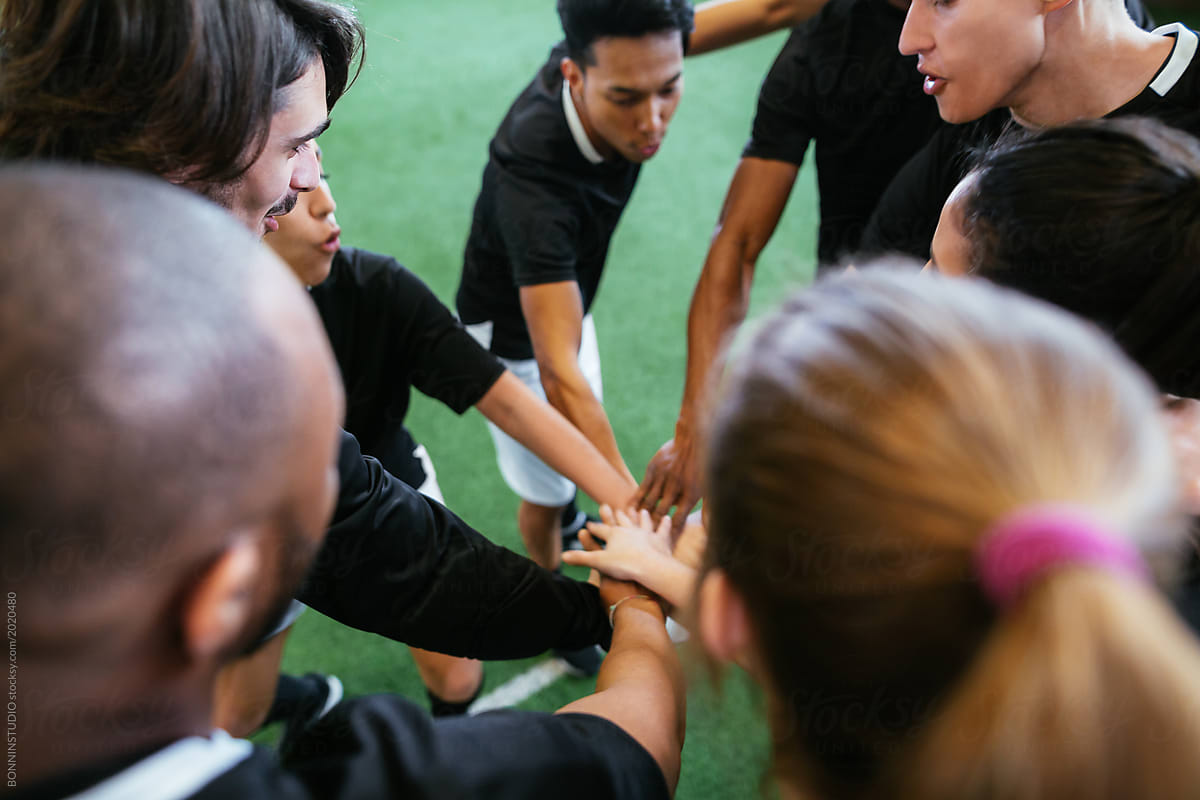
Enrichment
Extra-curricular activities that promote and develop social skills; Social Emotional Aspects of Learning (SEAL); play, curiosity and personal interests; self-confidence and motivation; healthy relationships; group participation and community involvement.
Vocational learning
In recognition of our student’s career goals, and in the context of local skills shortages, we offer a range of vocational learning opportunities. They are delivered by qualified teachers and tutors with extensive sector-specific experience and knowledge and are accredited up to Level 2. Our current offer includes construction, graphic design, art and design, media and music, dance, and health and social care.
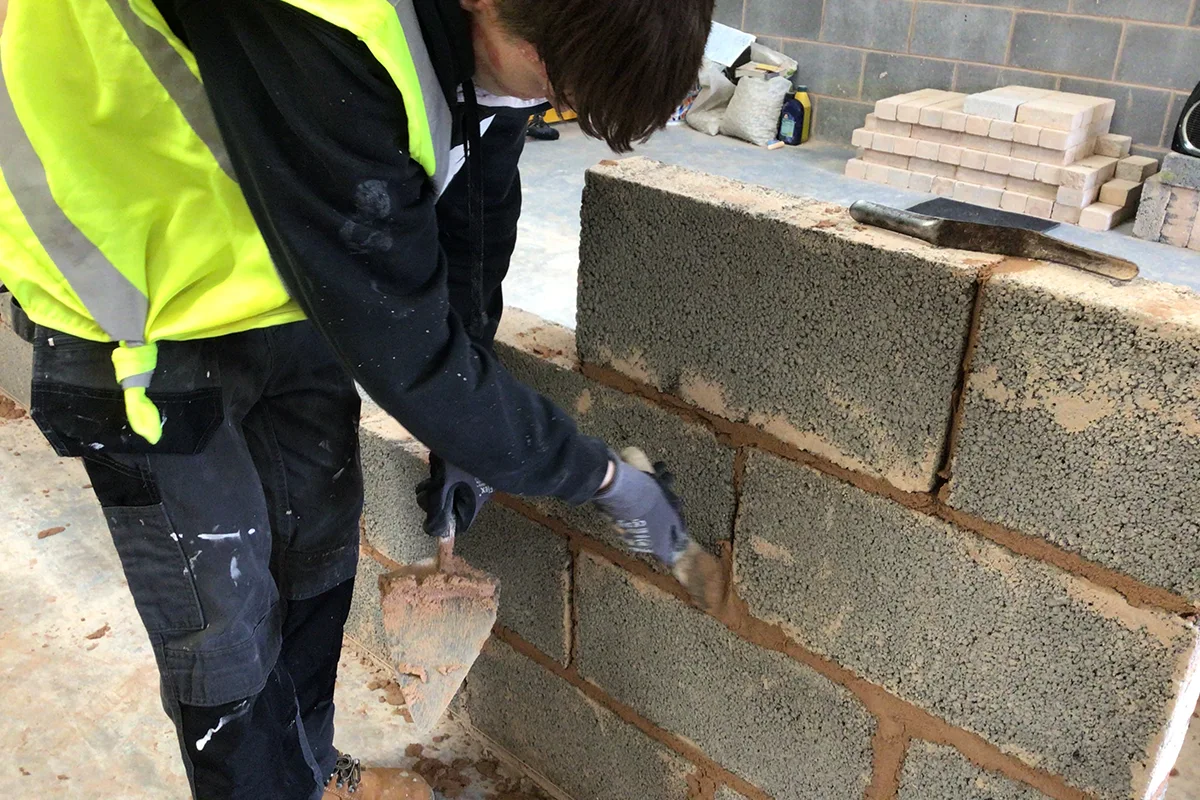
Beginning in year 9, students receive independent careers advice and guidance including the use of CASCAID Xello, an online platform that identifies the numerous pathways and opportunities available to them. With support, this helps them to navigate complex academic and career landscapes and to create career plans.
Work and volunteering experience opportunities, along with approved educational visits, enable young people to experience different workplace and career options. Visits to local FE colleges and training providers help young people to explore additional opportunities in their chosen career pathway.
Personal development
In Key Stage 3, personal development is a central strand of the curriculum, supporting students to build self-awareness, confidence and emotional resilience during a crucial period of growth and transition. It combines the PSHE, SEAL, SMSC curricula with enrichment activities and therapeutic interventions and approaches. Personal development progress and outcomes are carefully mapped against EHCP outcomes. The PSHE curriculum introduces key themes such as healthy relationships, personal safety, digital awareness and emotional well-being, ensuring students develop the knowledge and language to make informed and responsible choices. The SEAL curriculum supports students to develop the social and emotional capabilities of self-awareness, motivation, empathy, social skills and managing their feelings. SMSC development is woven throughout, promoting respect, empathy, and a growing understanding of personal identity and community belonging.
Therapeutic support and enrichment are integral to Key Stage 3 experience. Students engage in small group or individual sessions focusing on communication, regulation and self-expression, alongside creative, outdoor and vocational learning that nurtures curiosity and engagement. The school’s relational approach, underpinned by daily pastoral check-ins and the Circle of Adults Model, ensures that no Student’s needs are overlooked. Through this balance of structure, care and opportunity, students begin to reconnect with learning, build trust in adults and develop the social and emotional foundations needed for success in Key Stage 4 and beyond.
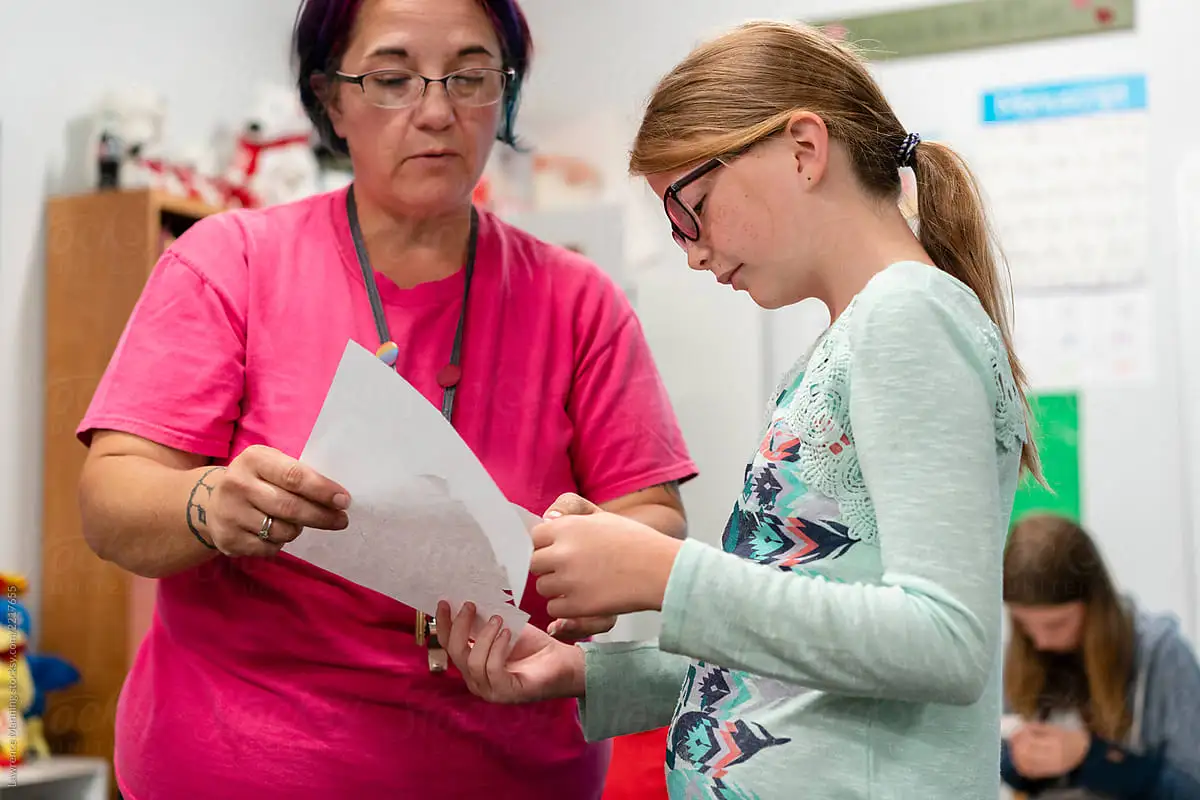

“Support for pupils’ social, emotional and personal development is carefully threaded through the curriculum. Pupils enjoy the vast array of opportunities that are a vital part of the school’s provision. This includes the school’s wilderness programme and an extensive art and music offer. Pupils are encouraged to pursue their interests through carefully tailored work experience opportunities which help to broaden their
horizons.”
(Ofsted, Feb 2025)
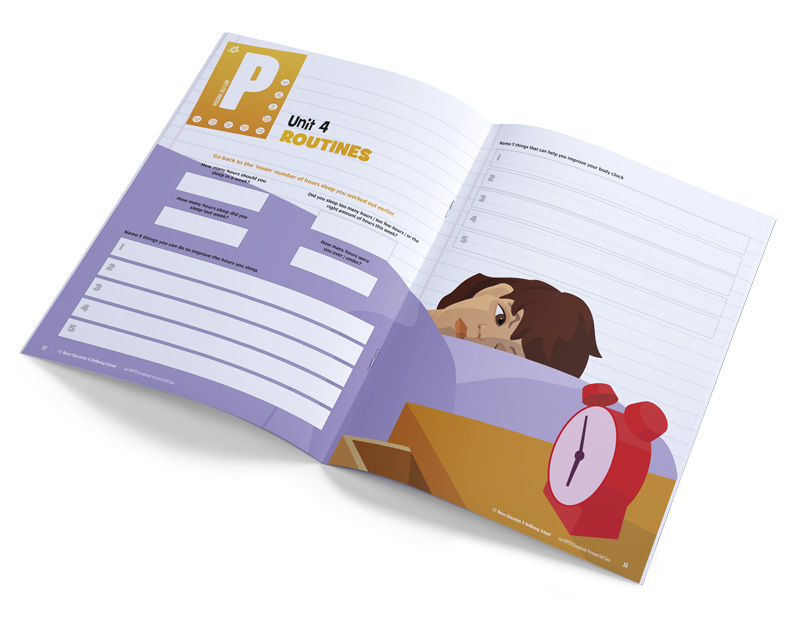
Get RIPPED
Our own psychosocial education programme accredited at Level 1 by NCFE.
The programme encompasses all the seven areas of learning and focuses on PSHE, SMSC, embedded functional skills, independent living and self-care skills.
Recreation: improving lifestyle choices
Interpersonal Skills: communication skills, problem solving, family and personal relationships
Physical health: diet, reducing substance misuse, fitness, sexual health
Personal self-care: hygiene, safe choices, presentation
Emotional wellbeing: managing feelings, thoughts, finding help
Discipline and Respect: pro-social behaviour, personal organisation, ability to follow instructions
Get RIPPED
Our own psychosocial education programme accredited at Level 1 by NCFE.
The programme encompasses all the seven areas of learning and focuses on PSHE, SMSC, embedded functional skills, independent living and self-care skills.
Recreation: Improving lifestyle choices
Interpersonal Skills: Communication skills, problem solving, family and personal relationships
Physical health: Diet, reducing substance misuse, fitness, sexual health
Personal self-care: Hygiene, safe choices, presentation
Emotional wellbeing: Managing feelings, thoughts, finding help
Discipline and Respect: Pro-social behaviour, personal organisation, ability to follow instructions

SEAL (Social and Emotional Aspects of Learning)
SEAL aims to provide a curriculum that develops social and emotional skills within a structured and progressive framework, and supports KS3 and KS4 students to develop self-awareness, managing feelings, self-motivation, empathy, and social skills.
These interpersonal and intrapersonal skills have been shown to improve learning and promote emotional health and wellbeing, alongside a range of other benefits to students, families and colleges.
You can read more about SEAL here.
The Provision places additional emphasis upon building emotional resilience, promoting good emotional health and improving students’ ability to self-regulate.
This is achieved through detailed assessments, including learning assessments (currently WRAT 4) – which measure reading, spelling, comprehension, and math skills – and IDL, Lexia Power Up and MY Maths. Emotional wellbeing assessments include Motional, Thrive, PASS (students’ attitude to self and college) and OutcomeStars. Clear learning pathways are enhanced by structured, evidence-based interventions and frequent monitoring and reviewing of the impact.